“Our EHS vision is to be a worldwide leader in safe, reliable operations and site resilience.”
-– Dr. Lior Eli, ICL Global VP EHS
In Part One of this series, we explored the evolution of Environmental Health and Safety (EHS) management at ICL, highlighting the company’s commitment to creating safer workplaces and fostering operational resilience. Part Two detailed ICL’s innovative approach to integrating safety, sustainability, and profitability across its global operations.
In this final installment, we examine how ICL’s EHS culture drives sustainability and engagement. We will also review key achievements and outline the goals guiding ICL toward a safer, more resilient, and sustainable future.
Synergy of Safety and Sustainability: ICL’s Holistic EHS Program
Businesses today recognize the value of robust EHS management as a cornerstone of success. By prioritizing the safety and well-being of their workers and actively protecting the environment, companies not only fulfill their legal and moral obligations but also position themselves for sustainable growth. A strong commitment to environmental responsibility and effective EHS management is essential for businesses aiming to thrive, secure new contracts, and build lasting partnerships.
ICL’s commitment to sustainability and proactive efforts to combat climate change are integral to its mission. The company’s holistic EHS program aligns seamlessly with its sustainability goals, embedding environmental stewardship into every aspect of its operations.
Through the development of sustainable solutions, investments in energy storage technologies, and the establishment of circular economies and clean energy grids, ICL demonstrates its commitment to minimizing environmental impact. This multi-sector approach reflects the deep integration of safety and sustainability within the company’s operations.
The primary goal of ICL’s EHS policy is to minimize—and ultimately eliminate—negative environmental impacts while safeguarding the health and safety of employees, contractors, and local communities. Achieving this requires active participation from every ICL employee, supported by a comprehensive framework of risk management, advanced technologies, and leadership accountability.
Employee Engagement and Continuous EHS Training
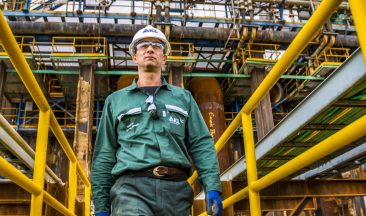
ICL views its people as its greatest asset. The company recognized early on that creating a genuinely safe workplace and effectively safeguarding local communities and environments depends on strong employee engagement and continuous training. Employees across all areas—plants, labs, and offices—bring practical knowledge, hands-on experience, and common sense to identifying and reporting hazards, especially in dynamic work environments. Acquiring skills to perform various tasks is always on ICL’s mind as we invest many resources to maintain a high level of competence.
When employees actively participate in safety initiatives and adhere to protocols, they become the frontline of workplace safety, ensuring the effectiveness of ICL’s EHS policy. Engaged employees are more likely to embrace environmental, health, and safety measures and are empowered to report potential issues confidently. This engagement leads to better training outcomes, improved performance, and longer employee retention.
ICL Environmental Health and Safety Engagement in Action
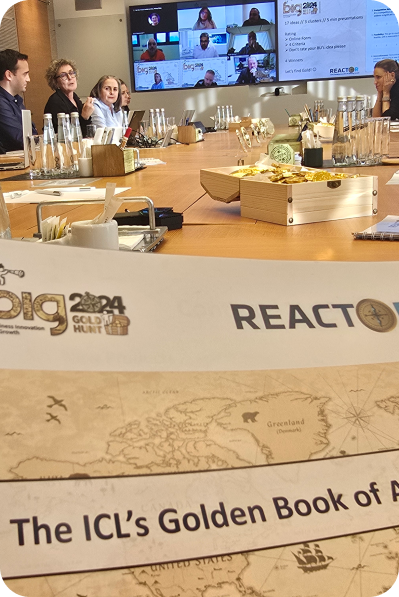
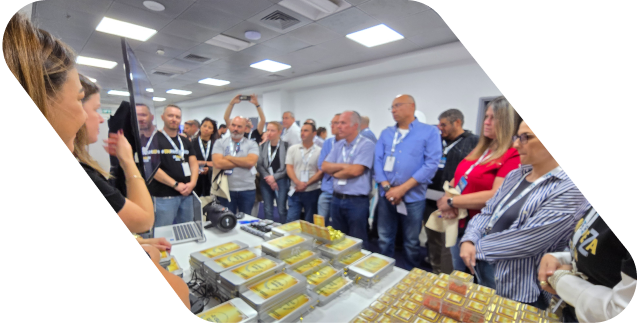
ICL’s dedication to a strong EHS culture is reflected in its comprehensive engagement and training programs. These initiatives are designed to empower employees and contractors with the knowledge and skills needed to ensure a safe and healthy workplace.
- Comprehensive Training: ICL ensures that 99% of employees required to undergo annual safety training complete comprehensive programs. These cover essential topics such as hazard identification, risk management, working at heights, confined space, LOTOTO, PSM, emergency response, and the correct use of personal protective equipment (PPE).
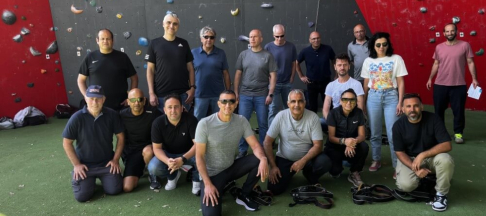
- Health and Wellness Programs: ICL fosters a culture of health by offering training on smoking prevention, vaccines, women’s health, ergonomics, mental health, psychological safety, and proper nutrition, among other topics.
- Occupational Health and Industrial Hygiene: Regular health assessments and monitoring help maintain compliance with safety standards, addressing chemical exposure, noise levels, radiation, and ergonomic risks.
- Specialized Training: Tailored programs for specific units and job roles ensure that all employees and contractors receive the guidance needed to manage and mitigate health and process hazards relevant to their work.
- Learning Forums: Monthly forums led by the ICL VP of EHS involve participants from EHS, operations, and site management to share both reactive and proactive safety case studies and insights, enhancing the organization’s learning culture.
- PSM: Process safety programs are implemented at ICL sites based on the CCPS methodology concept, which includes 20 elements and allows for better control of processes, with an emphasis on hazardous processes that include work with hazardous materials, complex mining operations, etc. Systematic and consistent implementation of PSM components enables the creation of process reliability, system and asset integrity, and organizational resilience.
Creating a Safety-Focused Culture
Effective communication is the cornerstone of a safety-focused culture. ICL recognized early on that successful EHS management requires breaking down traditional silos and avoiding cumbersome chains of command. For workplace safety and environmental protection to be genuinely effective, dialogue, information, and ideas must flow freely in all directions following the HOP philosophy as mentioned in the previous chapters.
Dr. Eli emphasizes: “In our culture, there is no room for blame or scapegoating when mistakes occur. Instead, ICL fosters an environment of openness, transparency, and continuous learning.”
This commitment to openness and proactive engagement is reflected in several key initiatives:
- Roundtable Discussions: Short and focused meetings designed to identify and reduce potential risks, encourage open dialogue, and a proactive approach to safety. This great opportunity allows a proactive learning process in order to predict future events and identify the required missing defenses to prevent them.
- Proactive Activities: Employees engage in daily hazard identification, observations, near-miss reports, and learnings, shift turnover and safety toolbox talks, positive behavior observations, PTP+PTW processes for defined high-risk tasks, emergency drills, and many other safety activities, supported by the GOARC EHS app.
- Recognition Programs: The EHS Awards Program recognizes employees, groups, and contractors who actively contribute to promoting a safety excellence culture, with criteria based on adding value to EHS culture, innovation, process improvement, and emergency readiness.
- Continuous Improvement: Regular updates to training materials, reports, and safety protocols based on feedback and new insights ensure that the programs evolve with changing needs and emerging risks.
Cultural Integration and Global Alignment: Unifying EHS Practices
A critical element behind ICL’s success in rolling out a comprehensive EHS program across its global sites is the standardization of methodologies, terminology, KPIs, and tools.
Dr. Lior Eli highlights this approach:
“Standardization of EHS practices across our 60 global sites has been pivotal in achieving our vision of safe, reliable operations. This unification ensures that every employee, regardless of location, adheres to the same high standards and operates under consistent principles. The journey to standardization was driven by the need to eliminate inconsistencies and enhance our overall safety culture. We all needed to speak the same language in terms of EHS.”
Establishing a Unified Language
A key step in this process was creating a unified language. Before standardization, varied terminologies across sites led to confusion and inefficiencies. By establishing a common vocabulary for EHS terms and procedures, ICL has ensured clear communication and understanding at all organizational levels. For example, key terms such as “incident rate”, “risk assessment”, and OEMS-EHS now carry the same meaning globally, facilitating better coordination and compliance.
“Today, everyone at ICL speaks the same KPIs, the same terminology. I’m very proud of it,” Dr. Eli adds, underscoring the success of these unification efforts. “This approach has not only streamlined our operations but also fostered a shared sense of responsibility and commitment to safety across all our sites.”
Proactive KPIs for Improved Performance
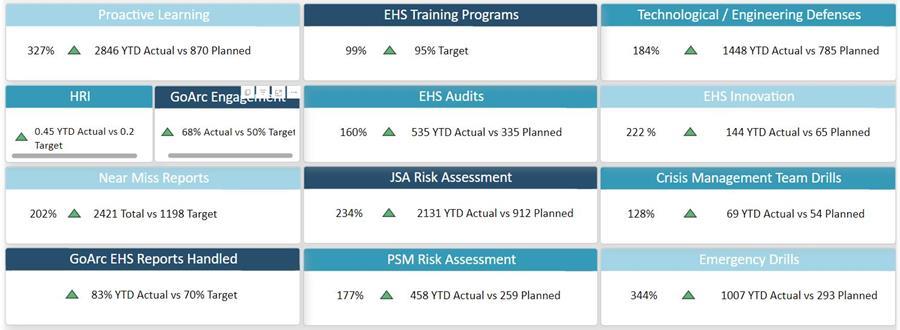
In addition to a common language, ICL developed proactive KPIs to monitor and improve EHS performance. These KPIs focus on preventing incidents before they occur, contrasting with traditional reactive measures. Metrics such as near-miss reporting, proactive learning processes, and positive safety observations, and considering adding additional defenses, help identify potential hazards, recognize precursors, and address them promptly, reinforcing ICL’s commitment to proactive safety management.
Standardized Tools
Supporting the standardization of EHS practices, ICL has implemented robust tools and platforms to streamline operations and enhance safety. The GOARC EHS Platform, used by over 8,500 employees, facilitates real-time hazard identification and risk mitigation, near-miss reports, site observations, checklists for managing operations, and emergency management, ensuring quick and effective responses.
Similarly, Enablon is employed to manage procedures and processes, equipping top and site management with the resources needed to maintain consistency across all locations. These tools ensure that ICL sites operate under unified guidelines and standards, fostering a cohesive and efficient EHS culture.
As Dr. Lior Eli notes, “By unifying our EHS practices, ICL has created a safer, more reliable operational environment, setting a benchmark for industry standards and demonstrating our unwavering commitment to the well-being of our employees, contractors, and the communities we serve.”
Achievements and Ongoing Efforts
ICL’s standardized EHS approach has led to notable, quantifiable achievements. Even as the company expands into new markets, it has consistently reduced workplace incident rates and negative environmental events.
A strong reputation is essential for any company, and ICL’s century-long commitment to maintaining its good name has been instrumental in securing new partnerships and high-profile projects.
ICL has an ongoing commitment to continuous improvement, alignment with industry standards, and proactive initiatives that go well beyond legal requirements. The 2023 ESG report provides some encouraging statistics.
Improved Safety Metrics:
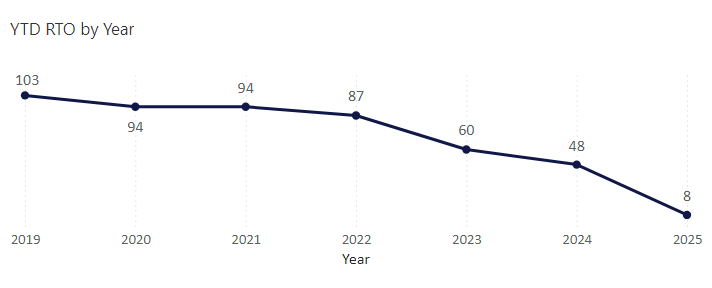
The Right to Operate (RTO) index
RTO is an indicator developed by ICL and serves as a key measure of our compliance with environmental regulations and our ability to operate without significant environmental incidents. Our RTO performance has steadily improved over the past few years, thanks to new policies and proactive measures such as the implementation of additional controls, engineering safeguards, and the integration of enhanced procedures and advanced technologies.
By consistently reducing our RTO index, we demonstrate our commitment to improving environmental performance and maintaining the trust of the communities where we operate.
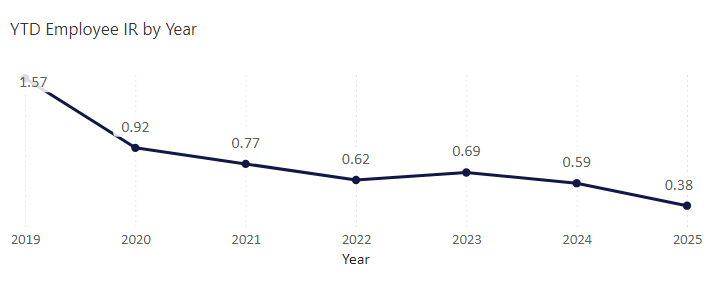
The Incident Rate (IR)
IR is a crucial metric for ICL, reflecting our ongoing efforts to reduce workplace incidents and ensure the safety and well-being of our employees, contractors, and visitors. Through the application of rigorous safety protocols, advanced risk management practices, and continuous improvement initiatives, we have achieved significant reductions in our IR over the years. This progress underscores our unwavering commitment to maintaining a safe working environment and upholding the highest standards of safety across all our operations.
Future Goals and Continuous Improvement
As a growth-oriented company with a global presence, ICL remains committed to evolving its EHS strategy in line with its expanding and diversifying operations. With a forward-looking approach, ICL is defining future goals and laying the foundation for continuous improvements in its EHS programs.
Setting New Benchmarks in EHS Excellence
Dr. Lior Eli highlights the company’s dedication to this ongoing journey:
“We are steadfast in our commitment to setting new benchmarks in EHS excellence. Our future goals focus on continuous improvement, leveraging innovation, and maintaining the highest standards of safety, health, and environmental performance. We are enhancing our systems, integrating advanced technologies, and strengthening controls to shape the future of our EHS practices.”
Incident Rate (IR) Reduction and Safety Goals
One of ICL’s primary objectives is to further reduce the Incident Rate (IR) in the coming years. This goal underscores the company’s commitment to ensuring the safety and well-being of its employees, contractors, and visitors. Additionally, ICL aims to maintain its record of zero fatalities and continues to reduce the number of severe incidents through rigorous safety protocols and advanced risk management practices.
Environmental Sustainability and Circular Economy
In terms of environmental sustainability, ICL is focused on minimizing its environmental footprint. The company plans to enhance its waste management, water management, and resource efficiency programs, further integrating circular economy principles into its operations.
Leveraging Technological Advancements
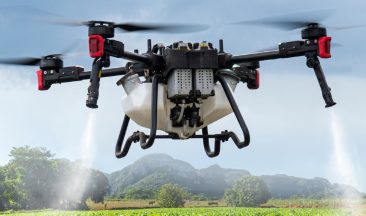
Technological advancements remain central to ICL’s strategy. The company will continue expanding the use of AI, drones, and smart sensors to proactively monitor and manage safety and environmental risks. Ongoing investment in Industry 4.0 technologies will ensure that ICL’s EHS practices remain at the forefront of innovation, driving operational efficiency and safety.
With these ambitious goals and initiatives, ICL is set to lead the industry in EHS excellence, setting a new standard for sustainable and safe operations.ICL’s unwavering commitment to EHS excellence, innovative practices, and sustainable development positions the company as a global leader in environmental stewardship and workplace safety. As ICL continues to push the boundaries of what’s possible, it remains dedicated to creating a safer, more resilient, and environmentally responsible future for its employees, communities, and the world.