The Era of Convergence: A Food Revolution in the Making
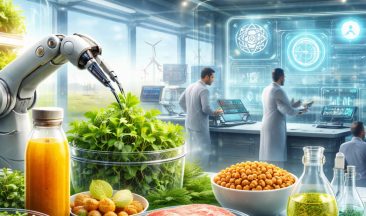
Plant-based 3.0 goes far beyond replacing farmed meat in burgers and nuggets with alternative proteins. It is driving the emergence of an entirely new food ecosystem built on convergence. A syncretic fusion of plant proteins, precision fermentation, cultivated inputs, hybrid blends, and AI-led formulation is set to transform the future of food.
The convergence era of protein innovation and AI in food tech is a revolutionary development that will play a major role in securing the food supply chain for future generations.
From Plant-Based 1.0 and 2.0 to 3.0 – Lessons Learned
The original Plant-based 1.0 phenomenon emerged around very basic plant-based innovation that used cereal and plant protein as substitutes for meat. Typical 1.0 products included soy links, veggie burgers, and nut cutlets. They appealed to niche vegetarian and vegan markets, but made few inroads into the farmed meat market.
The next iteration of the shift towards alternative proteins was plant-based 2.0. Mimics (plant-based proteins formulated to mimic meat) were marketed as healthy and cruelty-free alternatives to animal-derived proteins.
Companies like Beyond Meat pioneered protein innovation and offered groundbreaking food tech solutions, but failed to meet initial expectations. Mimic manufacturers generally fell short on nutritional value, taste, and authenticity, and struggled to meet the challenges of processing and cost-effectiveness.
Although the plant-based innovation concepts of 2.0 held a lot of promise, the wider consumer response showed the limitations of plant-only solutions. Fortunately, there was enough consumer demand and investor interest to pave the way towards convergence. The market is transitioning from meat mimics to a new alternative protein ecosystem.
AI as the Accelerator of Convergence
AI is playing a vital role in food tech, and it is a major catalyst in the shift to convergence. AI bridges the diverse disciplines and processes – formulation, sensory design, protein mapping – that are necessary for edible and appealing protein innovation and the design of commercially viable and sustainable alternatives to farmed meat and dairy products, as well as eggs and seafood.
Companies such as Shiru, Imagindairy, MOA Foodtech, and Protera are leveraging AI and computational biology to accelerate discovery, reduce R&D risks, and enable precision design. These innovations are not only transforming the development of alternative proteins but also setting new standards for speed, scalability, and sustainability.
AI in food tech is reshaping how food systems are engineered, driving a future where science, data, and sustainability converge to redefine what’s possible in global nutrition..
Precision Fermentation, Cultivated Inputs, and Hybrid Models
Precision fermentation is one of the most important food tech trends in Plant-Based 3.0 and is leading to the development of next-generation edible proteins. Innovations in the use of mycelium and microbial proteins and the creation of animal-free eggs are providing manufacturers and food producers with new ingredients that complement plant-based products.
Hybrid recipes that combine plant material, precision fermentation processes, and cultivated ingredients are meeting the crucial “bite test”. Convergence is delivering foods that meet consumer expectations for taste, texture, odor, and nutritional value – and competitive pricing. Companies like Plantible, MycoTechnology, ChickP Protein, NuCicer, Cosaic, and Yeap are leading this transformation with innovations spanning lemna, mycelium, chickpea, and yeast-based proteins.
The hybridization at the core of Plant-Based 3.0 represents a pragmatic and creative approach to food security and a willingness to think outside the box and utilize every viable alternative protein technology and novel ingredients to further plant-based innovation for a sustainable future.
Global and Inclusive Perspectives
Plant-Based 3.0 represents a fundamental shift to a new food ecosystem – and an opportunity to deliver vastly improved food security and sustainability. It is not a food industry or consumer trend, but a seismic shift in how the world feeds itself. A key priority is to plan beyond Western markets and firmly establish Plant-Based 3.0 technologies and food production in emerging markets.
One of the inherent strengths of AI in food tech and protein research is its flexibility and the breadth of potential applications. Researchers can easily apply existing knowledge and techniques to staple crops and foods in local cultures and supply chains across the world. The goal is to create lasting food security through inclusivity and accessibility, which means a commitment to focus on the basics, rather than niche food products and high-value luxury markets.
ICL’s Role – Enabling the Convergence Era
ICL Planet Startup Hub is the company’s venture capital arm. It provides accelerator and incubator facilities for food tech, agrotech, and Climatech startups. ICL Planet’s portfolio includes a number of pioneering edible protein startups, whose technologies and products epitomize the concept of convergence.
ICL makes a wider contribution in specialty minerals, food ingredients, and investment in novel solutions, and it has implemented a full corporate policy alignment with the United Nations Sustainable Development Goal of Zero Hunger (SDG 2).
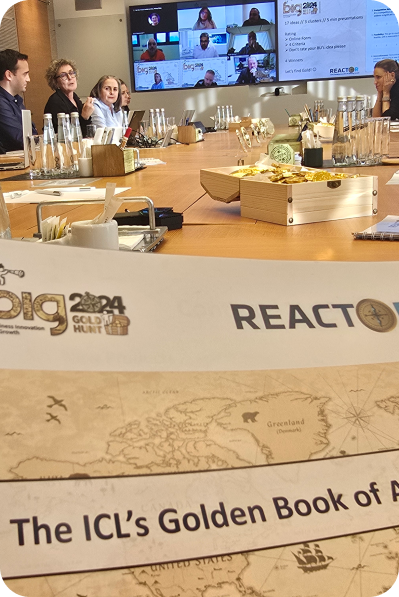
ICL isn’t just watching the future of food tech and protein manufacture unfold; it’s helping shape it. ICL understands the vital importance of strategic collaboration between startups, corporates, and academia, and invests heavily in the development of long-term partnerships that make the company’s expertise, resources, and professional networks available to innovators.
Conclusion – The Road Ahead
Plant-Based 3.0 goes far beyond 1.0 and 2.0. It is not a trend or an experiment, but represents the emergence of a new food ecosystem defined by convergence, collaboration, and inclusivity. Plant-Based 3.0 has profound – and highly positive – implications for the development of a new sustainable food supply chain that delivers an abundance of nutrient-dense protein ingredients to consumers on a global level.
There is real potential for a shift away from animal-derived proteins (that come with a high carbon footprint and consumer concerns about ethical issues) in favor of locally manufactured hybrid foods that meet all consumer criteria for taste, cost, and nutritional value. The future belongs to innovators who combine science, sustainability, and consumer trust.