The Role of Precision in Modern Agriculture
Modern agriculture faces significant challenges. The global population is expected to top 11 billion by the end of the century, and the effects of global warming are redefining traditional agronomic practices. Growers are adapting to new realities by harnessing advanced technologies to increase food production while optimizing the use of key inputs such as water, nutrients, and labor.
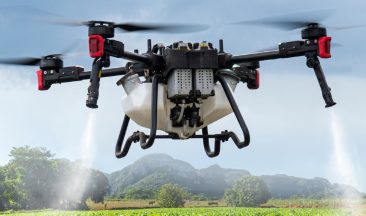
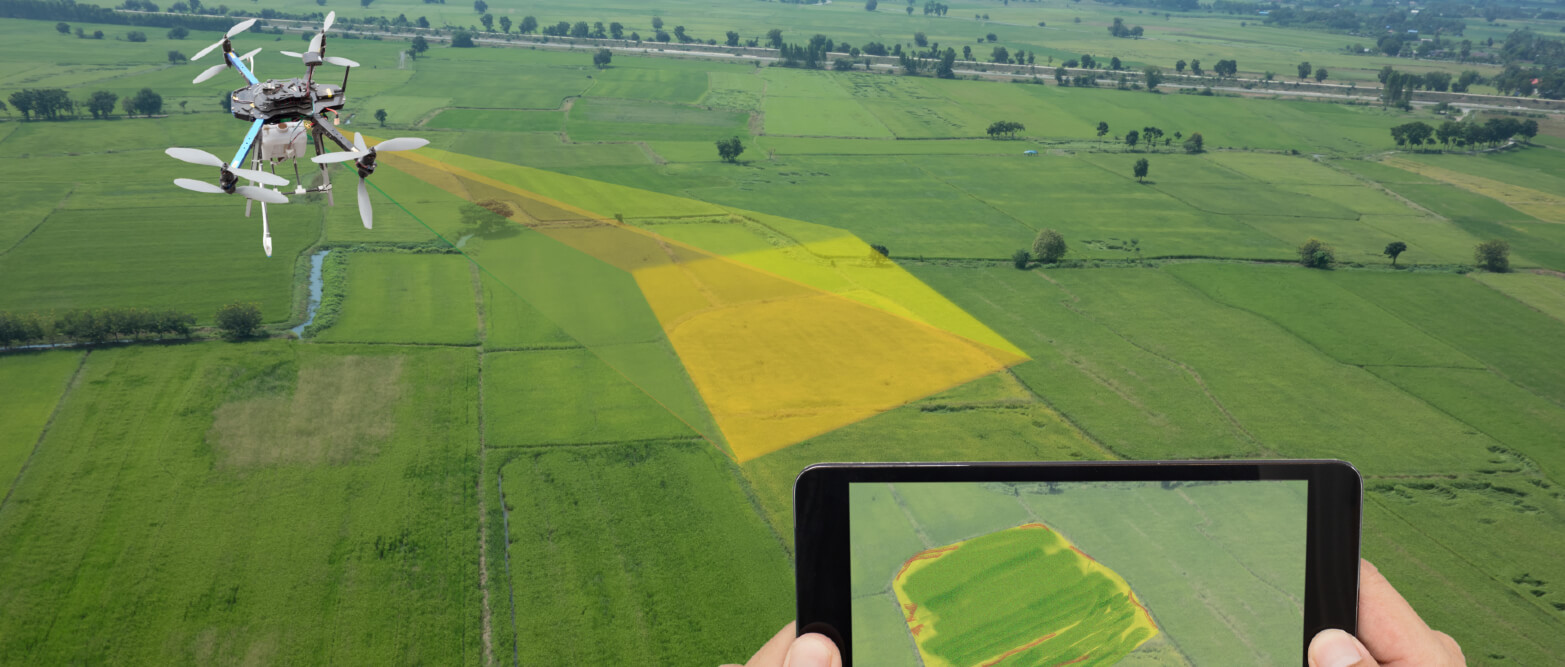
One of the most important modern agriculture trends is the development of precision agriculture. Smart technologies – including AI, IoT, sensors, drones, and robotics – are increasing automation, improving efficiency, and reducing both wastage and environmental damage at field level.
A key aspect of “smart farming” is precision fertilization. Agronomists and farmers can use data to determine the optimal balance of nutrients for each soil and crop type, and precisely apply selected nutrient mixes throughout each crop growth cycle. Smarter nutrient use drives down production costs, improves yields, protects soil health, and contributes directly to global food security.
The goal is to create an agricultural system – or systems – that will easily feed future generations. The universal adoption of precision fertilization methods is essential for productivity, sustainability, and resilience.
Why Precision Fertilization Matters: The 4 Rs
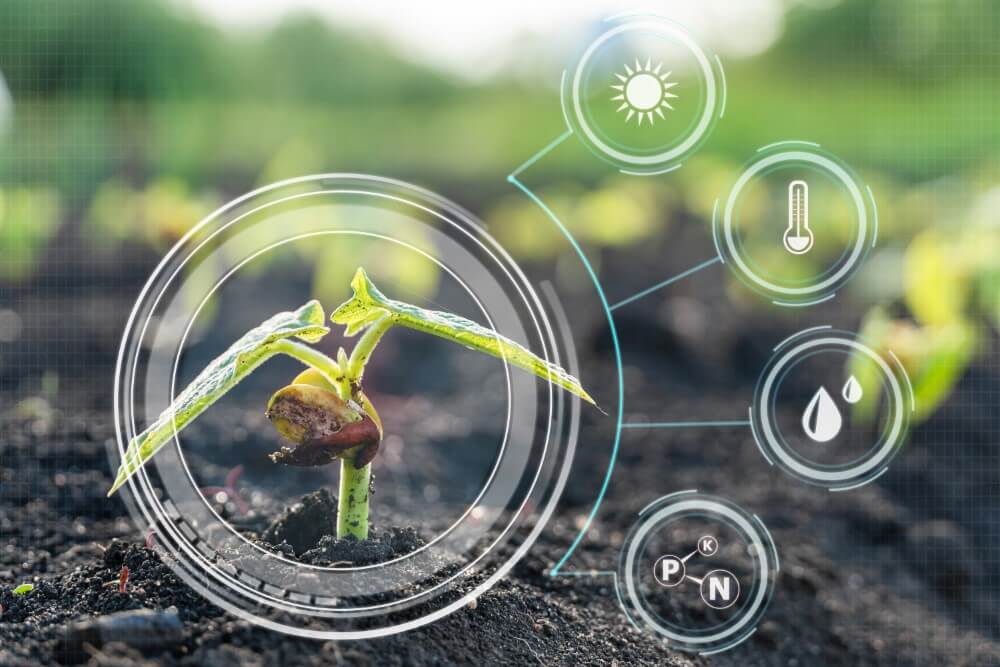
Crop nutritional strategies for precision agriculture are built around the 4Rs of precision fertilization.
The 4 Criteria for Precise Crop Nutrition
- Right Rate
Growers need to apply the appropriate amount of fertilizers, based on soil, crop type and yield goals. Additional considerations may include available equipment and access to precision technologies. - Right Time
Each crop has changing nutrient requirements during its growth cycle. Soil structure and moisture content also vary. It’s important to maximize nutrient uptake and minimize loss by adding nutrients at the right time. - Right Source
Precision fertilization requires the right type of fertilizer – or combination of fertilizers – both for the crop and for the local soil and climatic conditions. This often includes a balanced combination of nitrogen (N), phosphorus (P), and potassium (K), supplemented by secondary macronutrients and essential micronutrients, depending on the crop’s requirements and local soil conditions. - Right Place
A 4R crop nutritional strategy also requires precise placement of fertilizers to maximize uptake and minimize loss. This can involve methods such as broadcasting, banding near the seed or root zone, or incorporating fertilizers into the soil through tillage.
Application techniques—like fertigation, foliar sprays, or slow-release formulations—should be selected based on the crop type, growth stage, and field conditions to ensure nutrients are delivered where and when they’re most needed.
The benefits of the 4Rs are improved nutrient use efficiency that generates higher crop quality and yields. Growers can expect lower input costs and wastage, and reduced environmental impacts. Used correctly, the 4Rs can make a solid contribution to food production goals.
Nutrient Balance and Timing Across Growth Stages
One of the advantages of a precision fertilization strategy is its inherent flexibility and adaptability. A nutritional plan can be tailored to deliver the optimal nutritional balance for each stage of the crop lifecycle.
Fundamental macro and secondary nutrients like calcium, magnesium, and sulfur, and also key micronutrients (boron, chlorine, copper, iron, manganese, molybdenum, nickel, and zinc, etc.) have a crucial role to play in the quality of crops and the size of yields.
It’s essential to match nutrient delivery to each developmental stage of a crop. The early growth, flowering, fruit fill, and ripening stages all place specific nutritional demands on plants, which precision fertilizers can address.
Poor timing or imbalanced nutrition during these stages can lead to visible deficiency symptoms—such as stunted growth, chlorosis, or poor fruit set—and can significantly reduce both yield and quality. Applying the right nutrients at the right time helps growers avoid these risks and optimize productivity.
Adapting to Soil and Water Conditions
Soil and water conditions profoundly influence the viability and performance of crops in a particular location, and also the choice of fertilizers. Recent advances in precision agriculture technology are improving the viability of plots where high pH, low organic matter, and leaching-prone soils are an issue.
Precision fertilization solutions include the use of acidifying, slow-release, and soluble formulations that can improve local conditions, even on a micro field-by-field level. Sophisticated fertigation and foliar nutritional methods are also transforming adaptive management. Scalable technologies and automation based on real-time data analytics are increasing the adoption of these methods worldwide.
The Power of Data in Precision Planning
One of the most transformative AgTech advances of recent years is the use of data in precision planning. Data analytics software and AI is enabling the launch of platforms and apps that give agronomists and farmers access to data-driven solutions.
The ability to harness and channel data is improving the scope and accuracy of diagnostics and digital tools. Improved (and more cost-effective) soil and tissue testing is helping to power a fundamental transition from reactive to proactive nutritional strategies.
The smart utilization of data is also enhancing geographic or location-based applications. The ability to reduce variability and risk by devising zone-specific solutions is a useful tool for growers who need to adapt to climate change. A high level of accuracy and precision in the planning stages can mean the difference between success and failure in an agricultural enterprise, particularly one involving experimental crops.
ICL’s Contribution to Smarter Crop Nutrition
ICL is making a wide-ranging contribution to smarter crop nutrition through a variety of advanced agtech solutions. The company is committed to the modernisation of the global agricultural system on a sustainable basis and incorporates the United Nations Sustainable Development Goal of Zero Hunger into its corporate vision and policies.
A sample of ICL’s solutions for precision agriculture and smarter crop nutrition include:
- Polysulphate® is a naturally occurring, multi-nutrient mineral fertilizer mined from polyhalite. It delivers four essential nutrients—sulfur, potassium, magnesium, and calcium—in a single application. Its low carbon footprint and gradual-release properties support improved nutrient uptake efficiency, reduce leaching, and contribute to sustainable soil and crop management practices.
- Agrolution pHLow® is part of ICL’s water-soluble fertilizer line specifically designed for fertigation. It combines fully soluble nutrients with acidifying properties that improve nutrient availability in alkaline soils. Ideal for high-pH and hard-water environments, Agrolution pHLow® enhances nutrient absorption efficiency and is widely used to support precision fertilization in greenhouse and open-field crops .
- Agmatix is a data-driven decision support platform that transforms diverse agronomic datasets into actionable insights. By standardizing and analyzing data from multiple sources, it enables agronomists to make data-informed, science-based decisions that enhance crop nutrition strategies and overall field performance.
Looking Ahead: Precision as a Pillar of Food Security
Precision agriculture is emerging as a core pillar of future food security. One of its key tools is precision fertilization, which is already improving the viability of existing agricultural plots and improving crop yields.
By reducing input waste and environmental harm while preserving soil health, precision fertilization also helps ease land pressure and safeguard sensitive ecosystems.
The ability of the next generation of farmers to access and utilize new AgTech solutions – and maintain their profitability – is fundamental to food security. It is also vital for the preservation of rural communities as a viable and dependable production base.
AgTech and precision agriculture companies can contribute by investing in outreach and educational programs that effectively promote precision fertilization, particularly in emerging markets.
A broad, holistic approach to smarter nutrition is the key to resilient food systems that will sustain coming generations.